CHIENHO
Get a Quote
CHIENHO
October 2026 · 6 min read
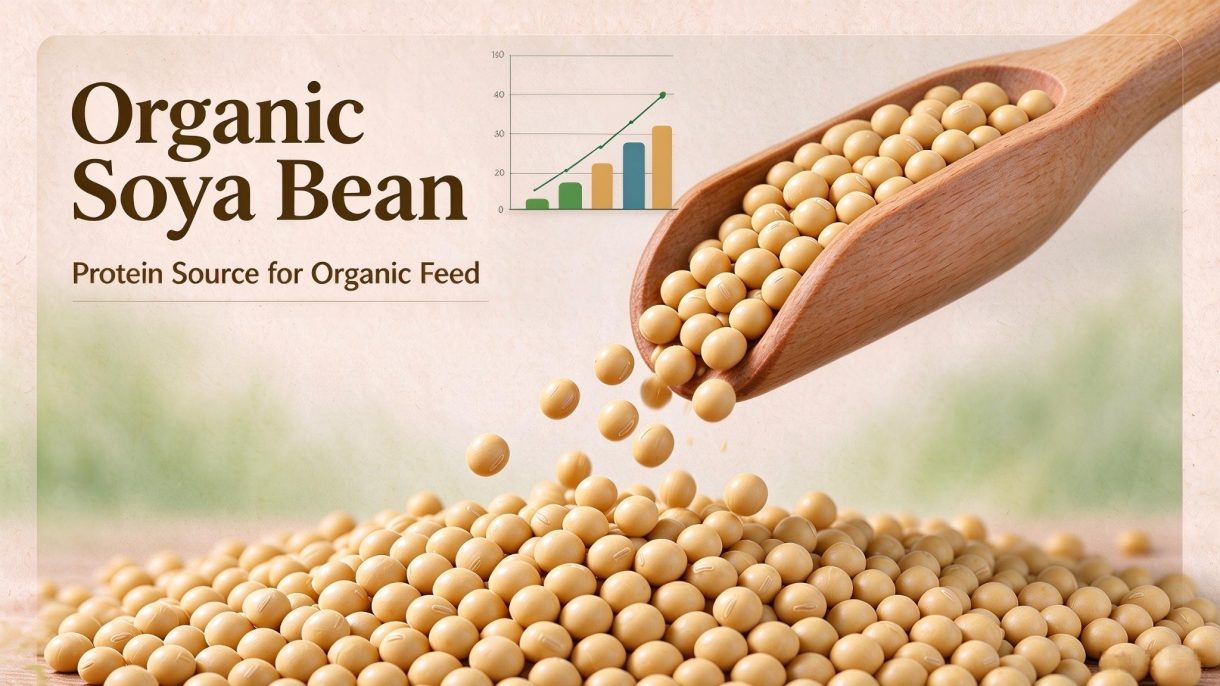
When European feed mills and organic livestock farms look for a dependable plant-protein ingredient, one raw material keeps coming back to the top of the formulation sheet: organic soya bean. It is more than a commodity — it is the nutritional foundation that allows organic poultry, dairy and pig rations to meet both performance targets and strict organic certification rules. In this article we explain what organic soya bean actually is, how it is produced, what makes it different from ordinary grain, and why the feed industry treats it as the protein backbone of organic livestock production.
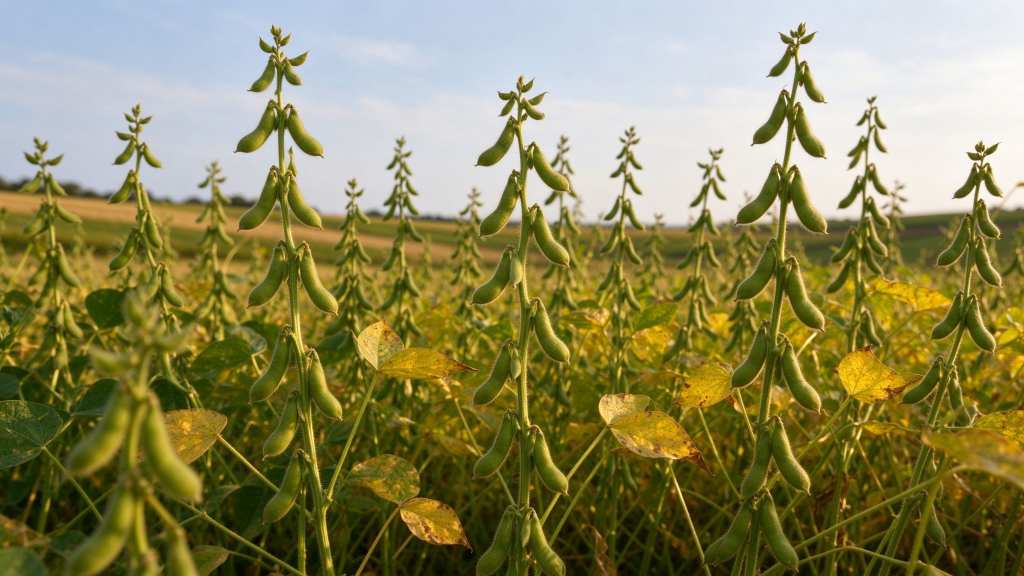
Organic soya bean (Glycine max) is soybean cultivated under certified organic farming rules. In the European Union those rules are defined by Regulation (EU) 2018/848, which has governed organic production and labelling since 1 January 2022. The practical implications are clear and strict: the crop must be grown without synthetic nitrogen fertilisers, synthetic pesticides or herbicides, and without genetically modified (GMO) seed.
Instead, fertility comes from crop rotation, green manures and permitted organic amendments, while weed and pest pressure is managed through agronomic practice and mechanical or biological methods. For an ingredient to be sold and used as organic in EU feed, every stage — field, harvest, storage, processing and transport — must be covered by an organic certificate issued by an accredited control body, and the final buyer must receive a valid organic certificate. For feed ingredients specifically, buyers increasingly also require feed-safety certification such as GMP+.
This is the first and most important thing an importer or feed formulator must understand: organic soya bean is not simply "soybean grown without chemicals". It is a certified, fully traceable supply chain. That certification is exactly what lets a dairy farmer in the Netherlands label their milk as organic, or a feed mill in Germany market an organic broiler ration. Without the certificate, the same bean has no place in an organic feed line, however clean it looks.
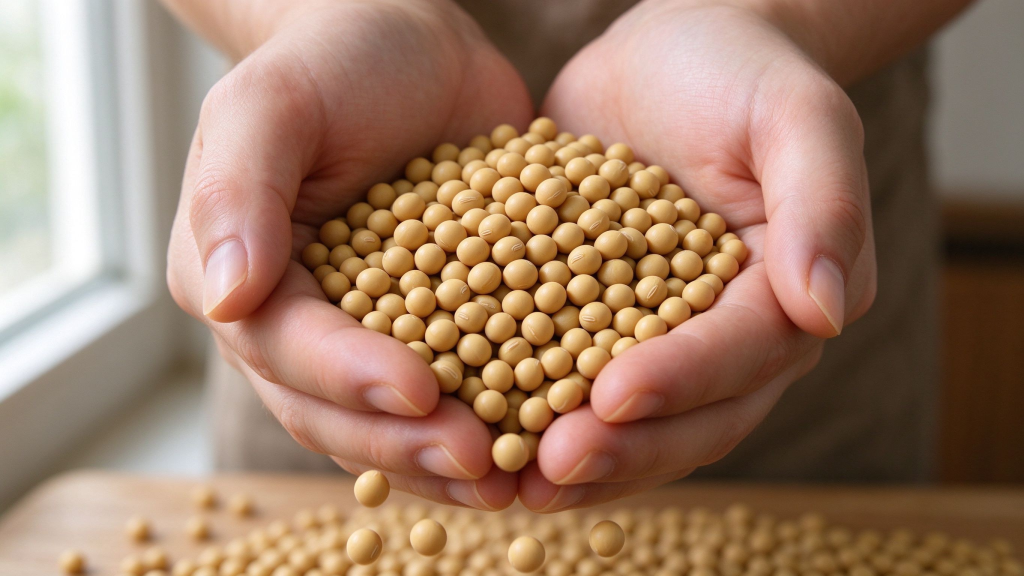
Nutritionally, organic soya bean is prized for a rare combination of high-quality protein and a well-balanced amino acid profile. Whole (full-fat) soya beans contain roughly 36–38% crude protein and 19–20% oil on a dry-matter basis, which is why they serve as both a protein and an energy source. Once the beans are processed — by expeller pressing or solvent extraction — the resulting meal concentrates the protein and is the ingredient feed formulators actually compound.
Below is the commonly cited nutritional comparison of the main soya-based feed ingredients (values from the University of Georgia / Feedstuffs ingredient table and NRC data):
| Component | Full-fat soya bean | Soya bean meal (expeller) | Soya bean meal (solvent) | Soya bean meal (dehulled, solvent) |
| Dry matter % | 90 | 89 | 90 | 88 |
| Crude protein % | 38 | 42 | 44 | 47.8 |
| Ether extract (oil) % | 18 | 3.5 | 0.5 | 1.0 |
| Crude fibre % | 5.0 | 6.5 | 7.0 | 3.0 |
| Lysine % | 2.4 | 2.7 | 2.9 | 3.02 |
| Methionine % | 0.54 | 0.60 | 0.65 | 0.72 |
| Poultry ME kcal/kg | 3550 | 2420 | 2240 | 2475 |
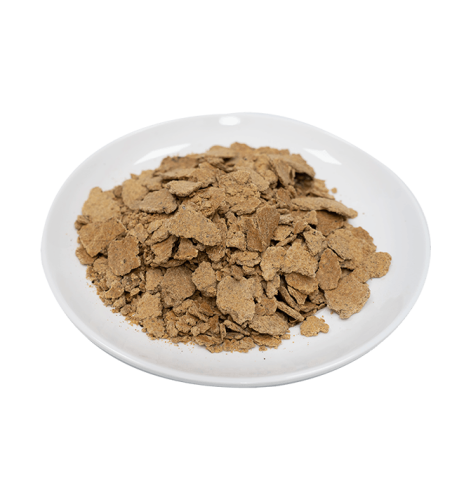
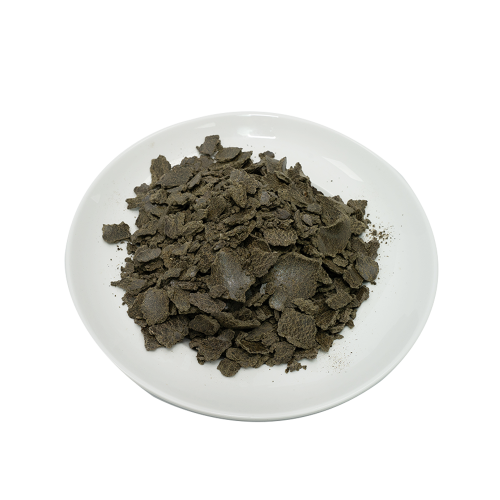
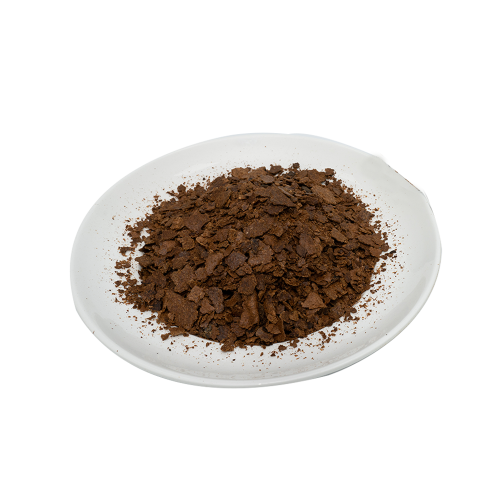
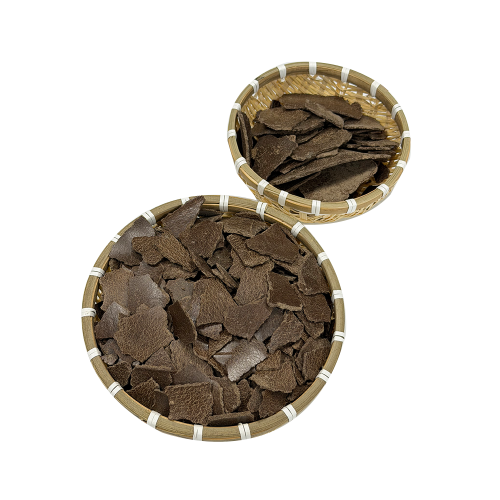
For an organic feed producer, the expeller form is especially relevant. Mechanical expeller pressing preserves a higher oil fraction (around 3.5% and up to 10–12% in some cold-pressed products) and leaves no solvent residues. Because solvent extraction is often excluded or tightly limited in organic processing, expeller-pressed organic soya bean offers a practical way to deliver concentrated protein plus retained energy with a processing profile that fits the organic ethos.
There are four practical reasons organic soya bean has become the default protein base in organic animal nutrition:
Raw organic soya bean cannot simply be fed as harvested. Soya contains anti-nutritional factors — most importantly trypsin inhibitors — that must be inactivated by heat so the protein and amino acids are actually available to the animal. That is why processing matters as much as farming:
A well-processed organic soya bean product is consistently digestible and free of solvent residues, which is exactly what feed quality control wants to see on the Certificate of Analysis.
Because of its protein density and amino acid balance, organic soya bean is used across almost every livestock category. Poultry — both broilers and layers — depend on it for growth and egg production. Dairy cows use it to support milk protein and yield within a forage-based organic ration. Pigs, especially young and growing animals, benefit from its high-quality protein. Even aquaculture diets increasingly use soya protein to reduce dependence on fishmeal. In every case, the same certified organic soya bean keeps the end product eligible for the organic label.
For a feed mill, the choice of supplier is really a choice of risk profile. A dependable supplier of organic soya bean should offer: a valid organic certificate covering each lot, a non-GMO declaration with test evidence, a Certificate of Analysis on every shipment, feed-safety certification (GMP+ where required), and stable all-year bulk availability. If any one of these is missing, the buyer is inheriting compliance risk, not just buying a raw material.
Ready to secure a dependable supply of certified organic soya bean for your feed programme? Contact us for batch specifications, current COA and bulk pricing.
Q: Is organic soya bean the same as non-GMO soya bean?
No, although they overlap. Organic soya bean is grown under certified organic rules and is non-GMO by definition. Non-GMO soya bean, however, may still be grown with synthetic fertilisers and pesticides. Organic is a stricter, fully certified standard.
Q: Can organic soya bean be used for both feed and food?
Yes. The same certified crop can supply both food-grade and feed-grade products, provided processing and storage are appropriately separated and certified. In this series we focus on feed applications.
Q: Why does organic soya bean cost more than conventional?
Because of segregated farming, full traceability, certification management and typically lower yields. The premium reflects the cost of keeping the product genuinely organic from field to vessel.
Chinese (Simplified)

Dutch

English

French

German

Spanish
Tell us your species, inclusion targets and volumes — we'll reply with specifications, certifications and a quotation.