CHIENHO
Get a Quote
CHIENHO
August 2026 · 5 min read
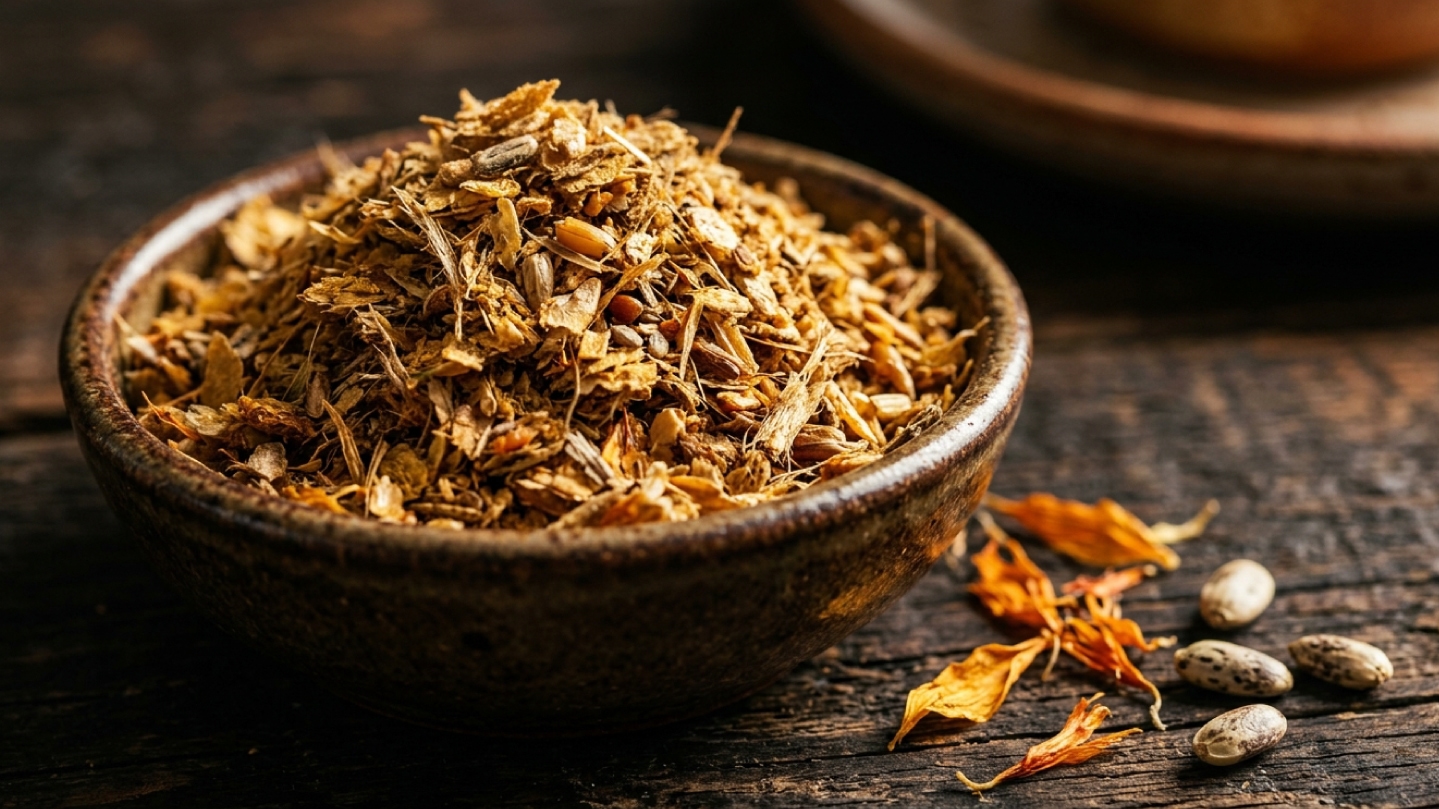
When searching for high-quality organic feed ingredients, many livestock farms and feed formulators tend to focus on common crops such as soybeans and sunflower seeds. Safflower meal—a byproduct of safflower oil extraction—is often overlooked.
In fact, safflower meal is gaining increasing attention as a protein source in the organic livestock industry in Europe and the United States. It has distinct characteristics, so today we’ll break down its nutritional composition and suitable applications.
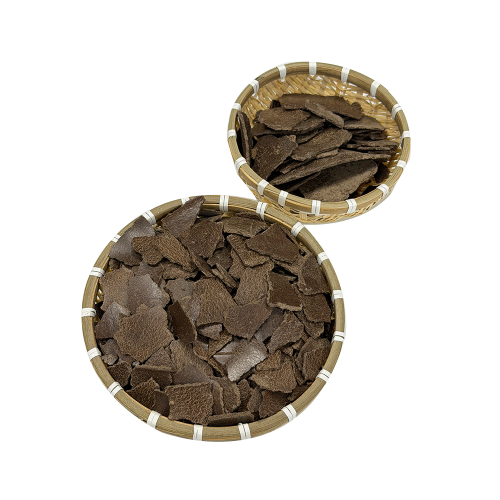
Safflower is an oilseed crop primarily grown in India, the United States, and Mexico. Its seeds are rich in linoleic acid, making them a high-quality source of edible oil for human consumption. The cake residue left after oil extraction is what we refer to as safflower meal.
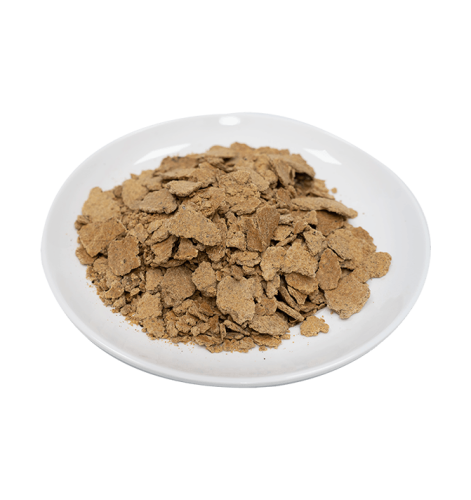
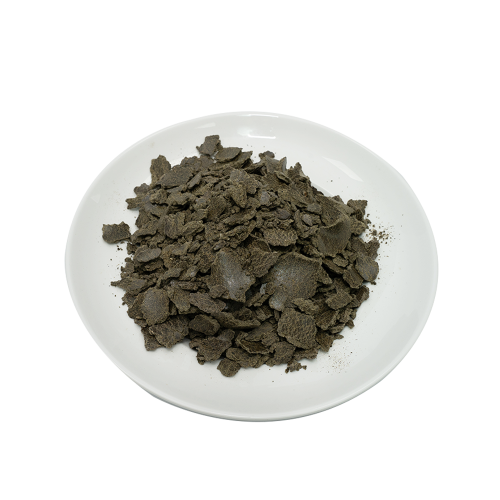
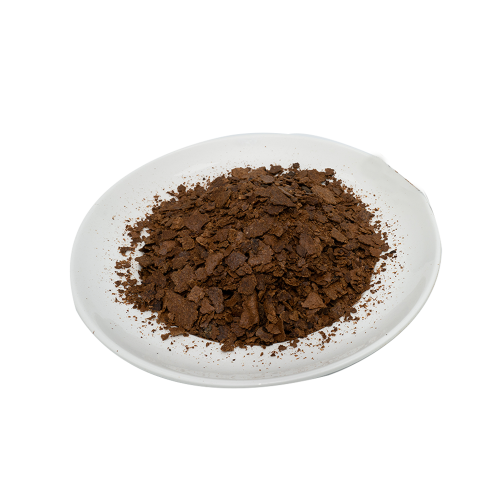
The protein content of safflower meal varies widely, depending largely on the “dehulling” process:
Undehulled or hulled safflower meal: Crude protein content is approximately 20%–24%, but crude fiber content is as high as about 40%. This type of product is lower in energy and is primarily suitable for specific animals.
Partially dehulled safflower meal: Crude protein can increase to over 40%, while crude fiber decreases to 15%–16%. This is the most common form currently available on the market.
Deeply dehulled safflower meal: After thorough dehulling, crude protein can reach 60%–70%, and its energy value is also significantly improved. A recent 2026 study indicates that high-purity, dehulled, cold-pressed safflower meal has a nitrogen-corrected metabolizable energy (AMEn) of up to 2,413 kcal/kg, with amino acid digestibility comparable to or even superior to that of soybean meal, making it a highly promising feed ingredient for poultry.
In addition, safflower meal is rich in biotin, riboflavin, and niacin, and contains substantial amounts of minerals such as iron, phosphorus, and zinc.
Based on its nutritional characteristics, safflower meal plays different roles in various livestock production scenarios.
High-fiber safflower cake, whether hulled or unhulled, is best suited for feeding ruminants. This is because ruminants have a unique rumen system that allows them to effectively utilize high-fiber feed.
Dairy Cows: Studies indicate that safflower cake is a valuable component in dairy cow diets, with no adverse effects on the flavor or odor of milk. Experiments have shown that adding 1 kilogram of safflower cake to a dairy cow’s diet can increase milk yield and milk fat content; replacing 3 kilograms of cottonseed cake with 3.75 kilograms of safflower cake even further increases milk fat content.
Beef Cattle: In beef cattle diets dominated by roughage, the addition of safflower meal has no adverse effects on feed intake or palatability. For example, experiments in which 18% and 35% safflower meal were added to the diets of 285-kilogram steers resulted in daily weight gains of over 1.4 kilograms.
Sheep: In diets based on low-quality hay or straw, supplementing with safflower meal significantly improves daily weight gain and wool growth rate in lambs. For example, adding a concentrate containing 25% safflower meal to the diet of 18-kilogram lambs improved feed intake, digestibility, and daily weight gain.
Unhulled safflower meal is not recommended for poultry because its low energy content and high crude fiber content can negatively impact growth performance.
To use it in poultry diets, partially or deeply hulled products must be used, with additional metabolizable energy added. Care must also be taken to supplement limiting amino acids such as lysine and methionine to balance the diet.
It is worth noting that new research from 2026 confirms that safflower meal processed through deep dehulling and cold-pressing is a high-quality poultry feed ingredient that is high in protein and energy and low in fiber, and is particularly rich in arginine. This opens up new prospects for the use of safflower meal in poultry feed.
Similar to poultry, unhulled safflower cake is not recommended for swine feed.
Partially hulled products may be considered, but due to their low lysine content and poor digestibility, they must be combined with other high-quality protein sources, and the inclusion rate must be strictly controlled. From a nutritional perspective, soybean meal ranks higher than safflower cake in nutritional value for swine.
Palatability and Antinutritional Factors: Safflower cake meal has a slightly bitter taste, making it slightly less palatable than other common ingredients. This is primarily due to its content of two phenolic glycosides. However, when mixed with other feed ingredients, this issue typically has minimal impact.
Protein Quality: The main drawback of safflower cake protein is its low lysine content and poor utilization rate. Therefore, in actual formulations, combining safflower cake with ingredients high in lysine (such as soybean meal) yields better results.
Energy Content: The energy content of unhulled safflower meal is relatively low; therefore, care must be taken to supplement energy sources when formulating high-energy diets.
Safflower meal is an underappreciated organic protein source. For ruminants (dairy cows, beef cattle, and sheep)—particularly on organic farms—safflower meal, whether with or without the hulls, serves as an economical and practical protein feed. For poultry and swine, however, the hulled product should be used, and care must be taken to ensure amino acid balance.

Logistics
August 2026 · 4 min read
Guide
August 2026 · 8 min read

Guide
August 2026 · 4 min read
Guide
August 2026 · 9 min read
Guide
August 2026 · 7 min read
Chinese (Simplified)

Dutch

English

French

German

Spanish

Tell us your species, inclusion targets and volumes — we'll reply with specifications, certifications and a quotation.