CHIENHO
Get a Quote
CHIENHO
August 2026 · 9 min read
This article updates the core framework of Zoe Kay’s 2019 analysis with 2025–2026 EU regulatory amendments and Chinese market data, serving as a practical reference for formulators and procurement professionals in the organic feed sector.
Why European Experience Still Matters
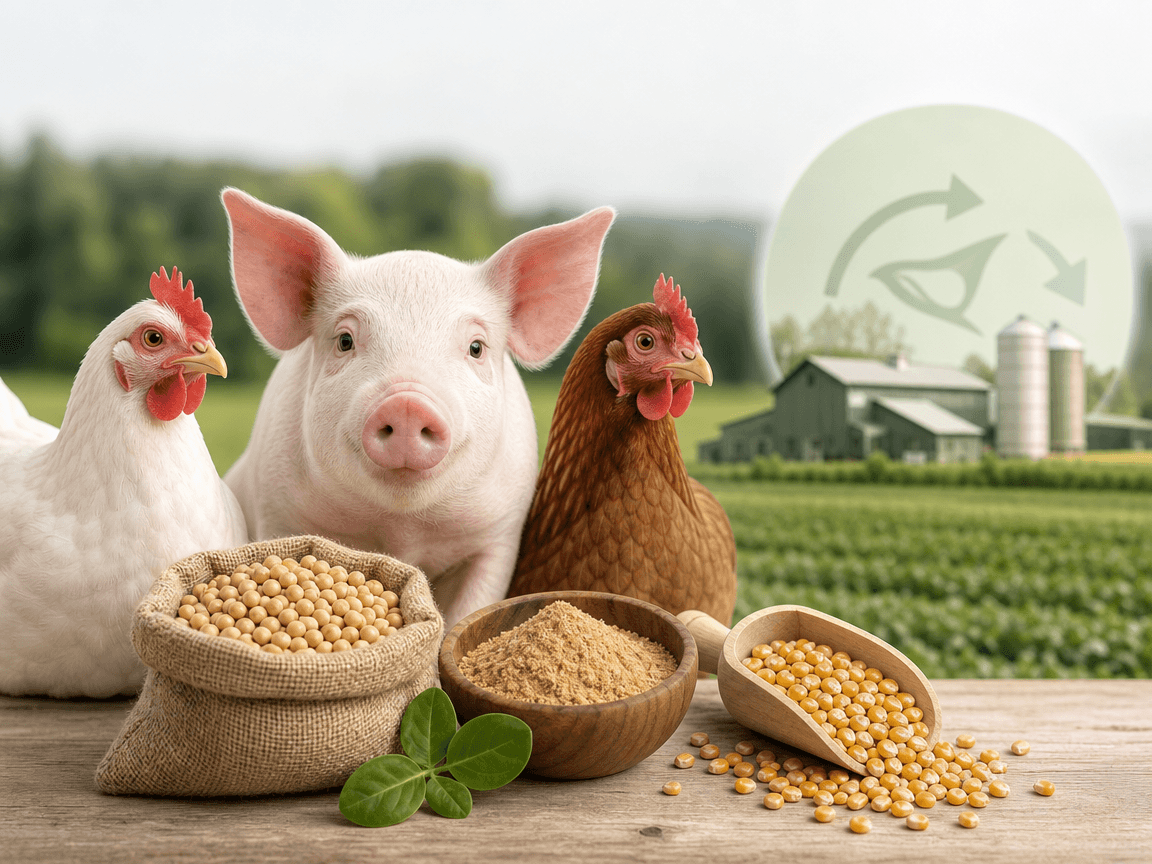
Organic livestock farming has been practiced in Europe for over 20 years, yet “organic monogastric feed” remains a niche market: broilers grow slowly, pig breeds require careful selection, and layers are comparatively easier to manage—but all share one common constraint: formulators face extremely tight restrictions on ingredient and additive choices.
Following the implementation of EU Organic Regulation (EU) 2018/848, the European Commission released (EU) 2025/973 in 2025, refreshing Appendix III on feed and the authorized additive list. Meanwhile, China’s organic feed market reached nearly RMB 20 billion in 2025, with an annual growth rate exceeding 15%, driven primarily by demand in East and South China. Globally, the organic feed market is valued at USD 12.67 billion, with Europe accounting for 29%. Both markets are expanding, but pain points around raw material availability and compliance are strikingly similar—this article lays out the key pitfalls European producers have encountered over the past two decades.
✅ First Red Line: Absolute Prohibitions in Organic Certification
Different certification schemes allow varying flexibilities (some permit up to 5% non-organic raw materials as a buffer), but the following categories are zero-tolerance across all major standards:
Two hidden pitfalls cause the most frequent compliance failures in practice:
In 2025, the EU introduced year-round enhanced controls on Chinese-origin organic ginger, peanuts, pumpkin seeds, soybeans, and tea. Every batch requires representative sampling and testing for ethylene oxide and other prohibited substances; certification bodies must wait for negative test reports before issuing Certificates of Inspection (COIs), and one of the two mandatory annual on-site inspections must be unannounced. This means compliance costs for Chinese organic soybean meal and sunflower meal—core protein sources for European organic monogastric feed—have risen sharply since 2025.
Raw Material Dilemma: Grains Diverted to Human Food, Protein Sources Heavily Dependent on Third Countries
Grain Supply: Local Organic Grains Prioritized for Human Consumption
Europe produces sufficient organic wheat and barley, but human food manufacturers offer higher prices: bread, breakfast cereal, and snack producers snap up premium grades, leaving feed mills with lower-quality supplies. As a result, European organic feed relies heavily on imports of organic wheat from Ukraine and other Eastern European countries.
Typical formulation structures include:
Protein Supply: Organic Soybean Meal + Sunflower Meal Dominate, But Supply Chains Are Long
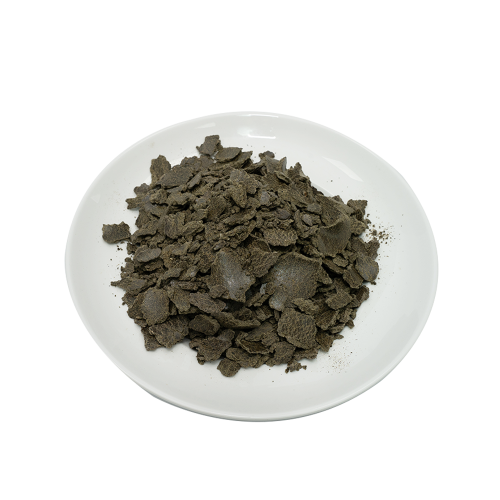
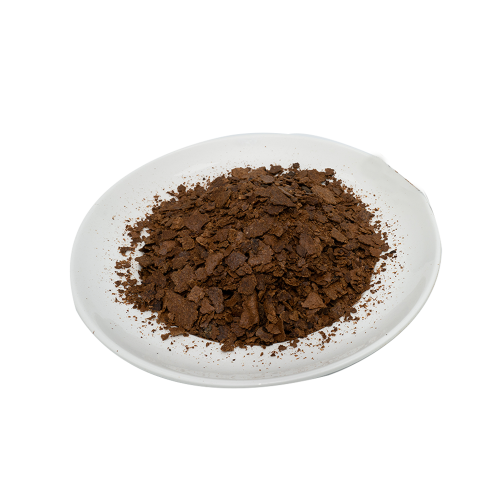
Europe faces a domestic shortage of organic protein ingredients; the majority of organic soybean meal and sunflower meal comes from China. This creates two challenges:
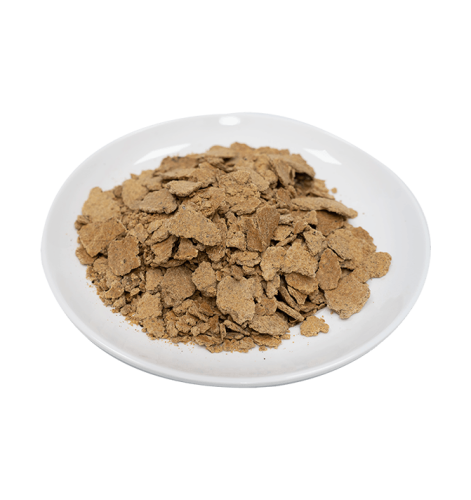
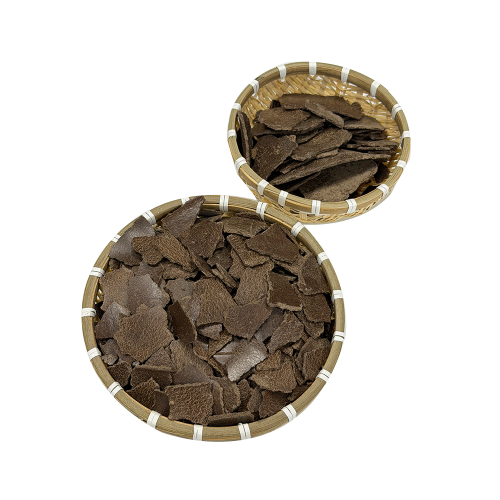
Fishmeal is already a high-cost ingredient in conventional European diets, but it remains essential for covering methionine gaps in organic broiler starter feeds—typically used at 5–10% in starters, then gradually reduced (balancing cost and meat cross-contamination risks), with 20–25% soybean cake used to meet baseline protein needs.
An interesting cross-market comparison: in 2025, the EU authorized single-cell proteins derived from Trichoderma virideand Aspergillus oryzaefor use in organic feed, and insect protein (black soldier fly) has been permitted for several years. However, pricing dynamics are completely inverted between China and Europe: in Europe, insect meal costs ~1.8x fishmeal, while in China, fishmeal costs ~1.8x insect meal. For Chinese formulators targeting the European market, insect meal represents a promising track for early strategic positioning.
Additives: Far Fewer Options Than You Might Expect
This is the most frustrating area for formulators. In theory, enzymes, probiotics, botanical extracts, and essential oils are permitted, but organic rules impose strict limits:
The 2025/973 amendment introduced minor adjustments for feed applications: clarified usage conditions for propylene glycol/calcium propionate, newly listed ferrous fumarate as an authorized feed additive, added lecithin to the permitted additive list, and re-authorized calcium stearate. These provide new options for formulators post-2025, but the overall reality of a narrow additive toolkit remains unchanged.
Special Exemption Channel for Medication
The EU permits the inclusion of antibiotics in organic diets for sick animals, but this requires a veterinary prescription and formal derogation approval from the certification body. Dewormers carry extended withdrawal periods, and the number of permitted treatments per herd is strictly limited. Under normal production conditions, organic pig feed typically contains no enzymes, with only partial inclusion of organic acids—a stark difference from conventional feed formulations.
Species-Specific Challenges: Broilers Face the Steepest Hurdles, Layers Are Most Manageable
Organic Broilers: ADG Capped at ~50g/d, Methionine Deficiency Remains a Persistent Pain Point
EU regulations implicitly limit organic broiler average daily gain (ADG) to approximately 50g/d in practice, requiring deliberate reductions in dietary energy and protein levels. Using slow-growing breeds helps alleviate methionine pressure, but starter feeds combining fishmeal and soybean meal often result in 2–3% excess dietary protein—driving up costs while reducing efficiency.
Fiber management also differs from conventional diets: organic broiler rations actually contain lower fiber levels, with higher soybean inclusion rates. Structural fiber plays a secondary role here, as organic broilers are permitted outdoor foraging.
Organic Pigs: Breed Selection Is Critical, Enzymes Are Largely Absent
The price gap between organic and conventional pig feed has narrowed (driven by greater diversity in organic corn supply). Key formulation characteristics include:
Organic Layers: The Most “Manageable” of the Three
Methionine gaps are also covered using fishmeal, but overall nutritional challenges are far less severe than for broilers. A base mix of wheat, barley, corn, soybean, and sunflower is sufficient; however, high inclusion rates of protein ingredients reduce space for fiber, making “free-choice feeding” (supplemental feeding in free-range areas) a useful compensatory measure.
One key detail: low stocking densities can lead to insufficient feed intake, reducing egg weight and production rates—requiring deliberate increases in dietary energy. Unlike broilers and pigs, the same layer breed can be used for both conventional and organic production lines, eliminating the need for breed switching.
Yolk pigmentation presents a common pitfall: synthetic pigments are prohibited in organic feed, but concentrated alfalfa (which contains yellow but no red pigments) can be used—resulting in paler yolks compared to conventional eggs. Marketing teams should align customer expectations in advance. A lesser-known but effective option is prairie meal(a low-starch corn concentrate by-product), which simultaneously boosts protein content and enhances yolk color.
☑ Sustainability: The Ultimate Answer Lies in “On-Farm Feed Production”
Zoe Kay’s assessment from 2019 remains valid today: continued growth in organic pork and poultry markets will always be constrained by three factors: organic raw material availability, transport distance, and meeting amino acid requirements without excessive protein inclusion.
Europe’s partial solution is “on-farm feed production”: returning manure to farmland → growing organic cereals → on-site feed processing, minimizing circular production radius. This model works for organic layer farms (especially in regions with diversified cropland), but is difficult to replicate for broilers and pigs due to scale constraints. China faces similar challenges—in 2025, the domestic market for organic feed made from fermented distillery/brewing residues reached RMB 31.7 billion, with a 12.3% annual growth rate. Closed-loop systems operated by state-owned enterprises (SOEs) including Moutai, COFCO, and Beidahuang represent a uniquely Chinese pathway for sustainable organic feed production.
Three Key Takeaways for Chinese Formulators
References
Organic Feed Market Report 2026–2034, Fortune Business Insights.
Guide
August 2026 · 8 min read
Guide
August 2026 · 7 min read

Guide
August 2026 · 4 min read
Chinese (Simplified)
Dutch

English
French

German
Spanish

Tell us your species, inclusion targets and volumes — we'll reply with specifications, certifications and a quotation.