CHIENHO
Get a Quote
CHIENHO
October 2026 · 6 min read
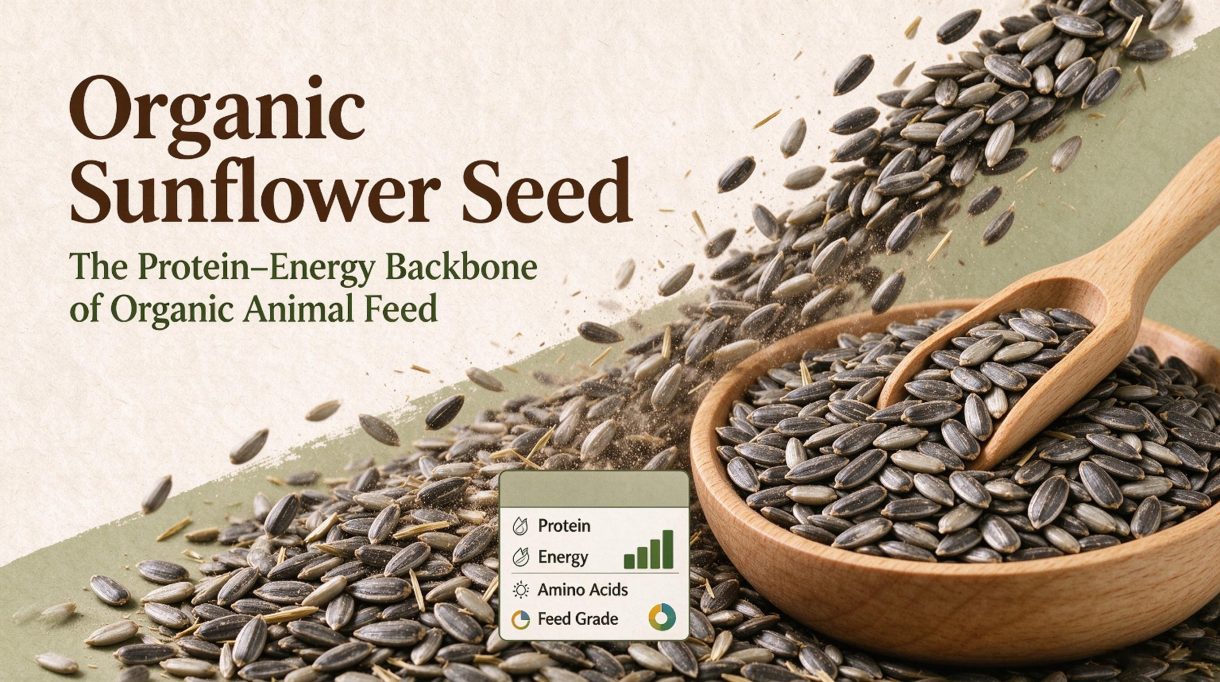
When European feed mills and organic livestock farms look for a protein ingredient that also brings valuable energy, organic sunflower seed is earning a growing place in the formulation sheet. It is not just a cheaper alternative to soya — it is a distinct raw material with its own nutritional strengths: a useful level of protein, a notably high oil content, an excellent supply of methionine, and a favourable fit for ruminant feeding. In this article we explain what organic sunflower seed is, how it is produced and certified, and why it — and the organic sunflower expeller pressed from it — deserves a place in organic animal nutrition.
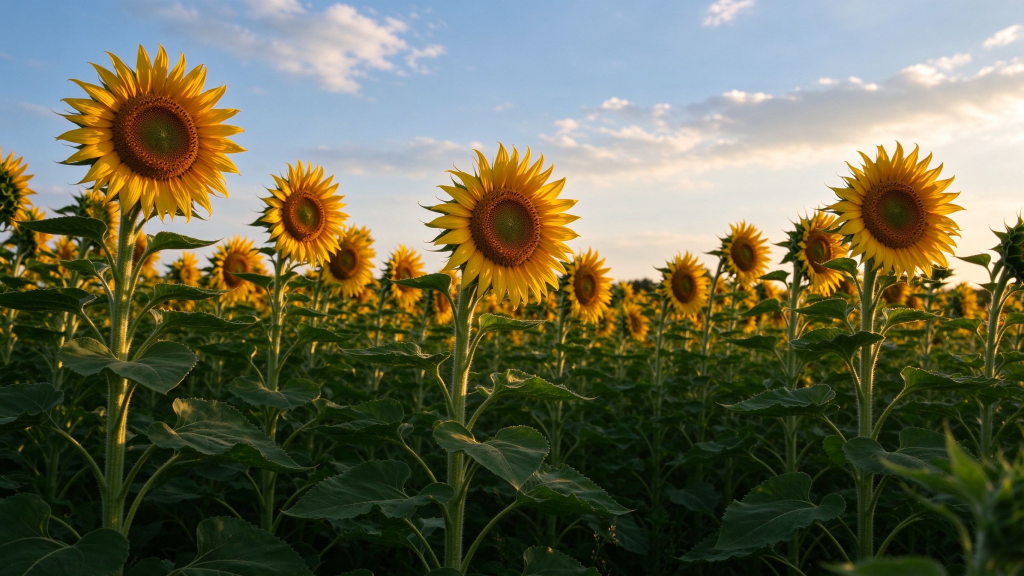
Organic sunflower seed (Helianthus annuus) is sunflower seed cultivated under certified organic farming rules. In the European Union those rules are defined by Regulation (EU) 2018/848, which has governed organic production and labelling since 1 January 2022. The practical implications are strict: the crop must be grown without synthetic nitrogen fertilisers, synthetic pesticides or herbicides, and without genetically modified seed.
Fertility comes from crop rotation, green manures and permitted organic amendments; weeds and pests are managed agronomically and mechanically. For the seed to be sold and used as organic in EU feed, every stage — field, harvest, storage, pressing and transport — must be covered by an organic certificate issued by an accredited control body, and the buyer must receive a valid certificate. Feed-ingredient buyers also increasingly require feed-safety certification such as GMP+.
This is the first thing an importer or feed formulator must understand: organic sunflower seed is a certified, fully traceable supply chain, not simply "sunflower grown without chemicals". That certification is what allows a dairy farmer or feed mill in Europe to market their product as organic.
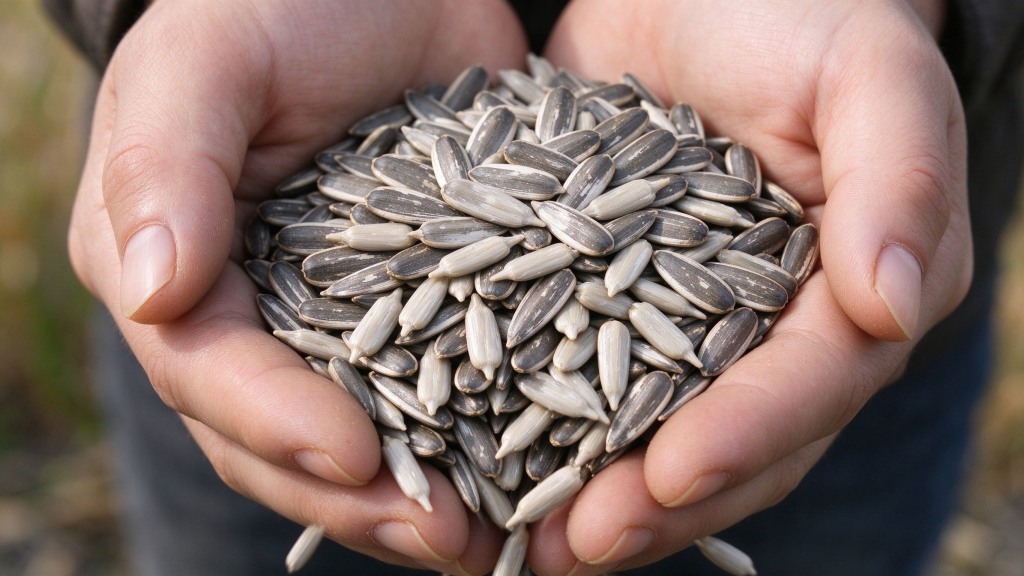
Sunflower seed is grown in two broad types: oil-type seed, which is high in oil, and confectionery seed used for direct consumption. For feed, oil-type organic sunflower seed is the most relevant, because its high oil content makes it both a protein and an energy source.
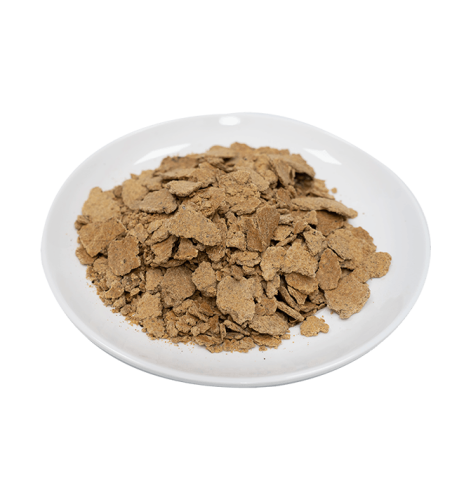
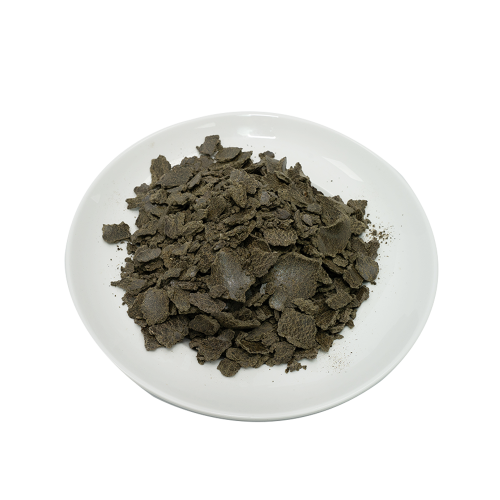
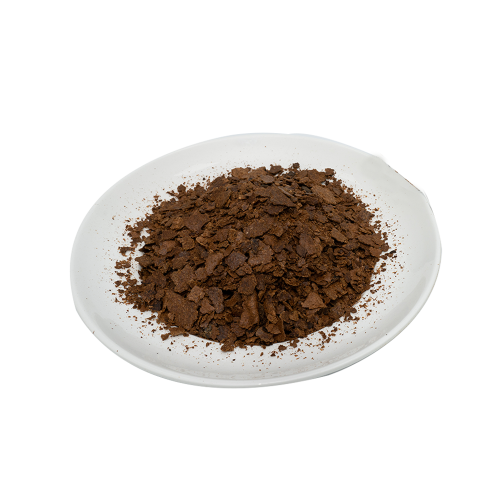
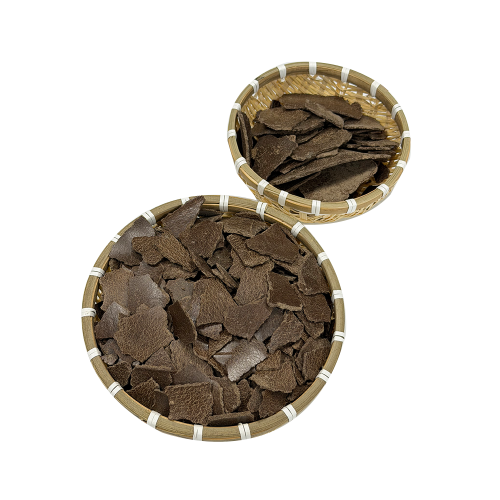
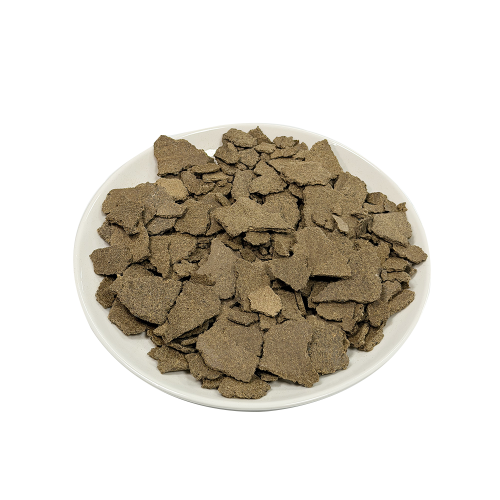
When the oil is removed, the remainder is sunflower meal or, when pressed by mechanical means, sunflower expeller. The distinction matters for feed formulators:
For an organic producer, the expeller is especially attractive: it delivers protein plus retained energy in one ingredient, without the solvent chemistry that organic programmes avoid.
Sunflower meal and expeller are prized above all in ruminant feeding, and increasingly useful in monogastric diets when dehulled and properly formulated. Key reference values for sunflower meal (National Sunflower Association and published feed tables) show a balanced, if distinctive, profile:
| Component | Sunflower meal (typical) | Sunflower expeller (high-oil, mechanical) | Whole oil-type seed |
| Crude protein % | 28–41 (depending on dehulling) | 27-32 | ~20-28 |
| Oil / fat % | 0.5–13 (press vs solvent) | 10-20 | ~40 |
| Crude fibre % | 14–24 (dehulling dependent) | 18-24 | ~15 |
| Lysine % | 1.1–1.4 | similar range | ~0.9 |
| Methionine % | ~0.68 | comparable | ~0.55 |
| Tryptophan % | ~0.65 | comparable | - |
Note: figures are indicative reference ranges from published feed tables; confirm exact values for each lot on the supplier's Certificate of Analysis.
Sunflower protein is relatively low in lysine but carries a good level of methionine and other sulphur amino acids. That makes organic sunflower seed an excellent partner for other protein sources: by blending sunflower and soya proteins, a formulator can improve the overall amino acid balance of an organic ration. Sunflower meal is the fourth largest oilseed meal produced and consumed in the world, which reflects its established role in livestock nutrition.
There are four practical reasons organic sunflower seed and its expeller are valuable in organic nutrition:
Sunflower protein has its broadest application in ruminants — dairy cows, beef cattle, sheep and goats — where the higher fibre is well tolerated and the energy from the oil is valuable. With dehulling, lower-fibre sunflower meal can partially replace soya meal in swine and poultry diets, typically with lysine supplementation where substitution rates are high. Because organic livestock must be fed certified organic ingredients, a consistent supply of certified organic sunflower seed protects the organic status of the finished milk, meat and eggs.
For a feed mill, choosing a supplier is really choosing a risk profile. A dependable supplier of organic sunflower seed should offer: a valid organic certificate covering each lot, a non-GMO declaration with test evidence, a Certificate of Analysis on every shipment, feed-safety certification (GMP+ where required), and stable bulk availability. If any of these is missing, the buyer is inheriting compliance risk, not just buying a raw material.
Ready to secure a dependable supply of certified organic sunflower seed or organic sunflower expeller for your feed programme? Contact us for batch specifications, current COA and bulk pricing.
Q: Is organic sunflower seed the same as organic sunflower expeller?
No. Organic sunflower seed is the whole seed. Organic sunflower expeller is the pressed residue after mechanical oil extraction; it retains a significant oil fraction and no solvent residues. Both are valuable feed ingredients, and the right choice depends on your formulation.
Q: Is sunflower seed mainly for ruminants?
It has its widest use in ruminants, but dehulled, low-fibre sunflower meal is also used in swine and poultry rations, generally as a partial replacement for soya meal with lysine balancing.
Q: Why does organic sunflower seed cost more than conventional?
Because of segregated farming, full traceability, certification management and typically lower yields. The premium reflects the cost of keeping the product genuinely organic from field to vessel.
Chinese (Simplified)
Dutch
English
French
German
Spanish
Tell us your species, inclusion targets and volumes — we'll reply with specifications, certifications and a quotation.