CHIENHO
Get a Quote
CHIENHO
August 2026 · 4 min read
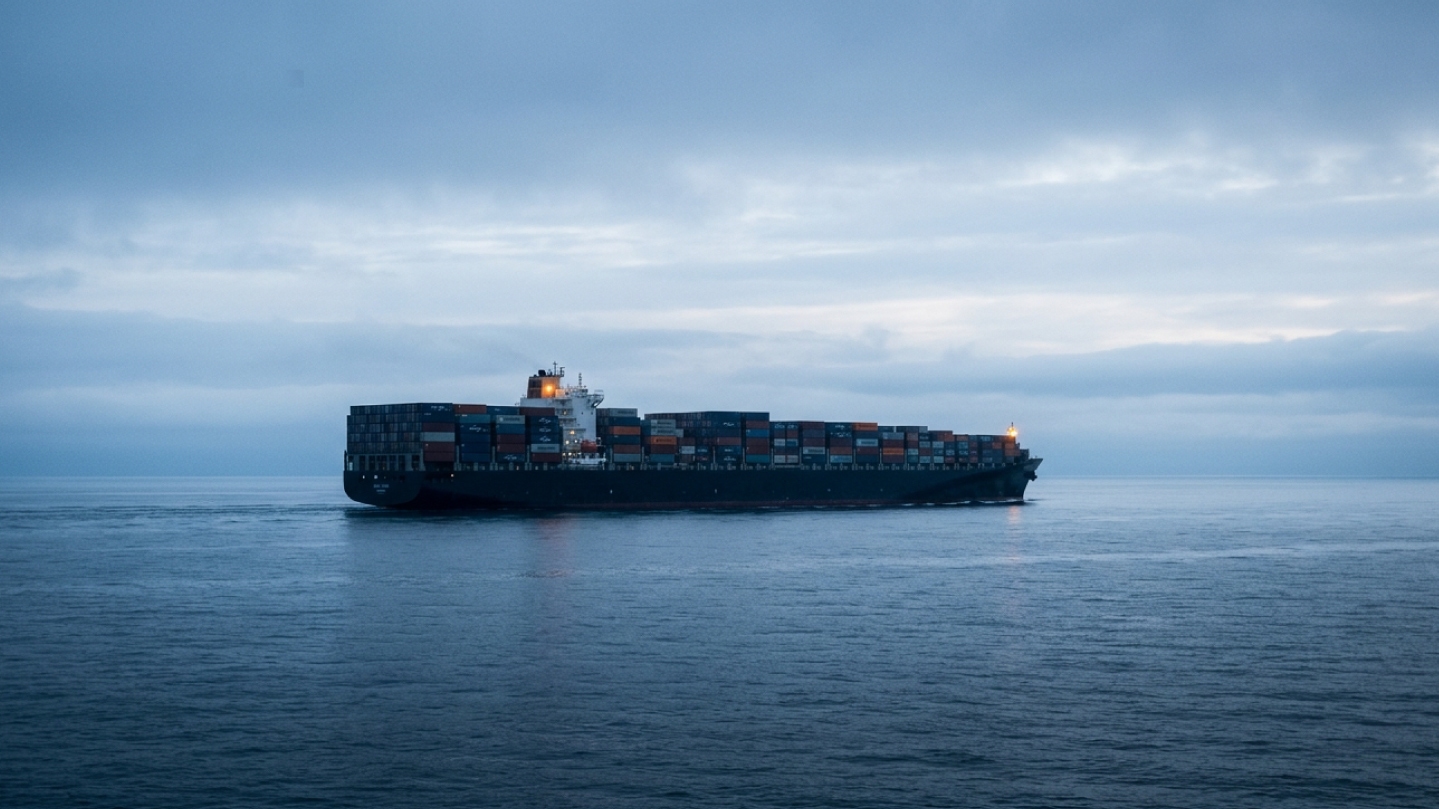
Ocean freight is the lifeblood of international trade. For organic oilseed meals—commodities with large volumes and relatively low unit values—fluctuations in freight costs can often determine whether an order turns a profit or a loss. Recently, the global shipping market has once again entered a period of sharp volatility, bringing tangible impacts on both exporters and buyers of organic meals.
Since late April 2026, container freight rates have staged an off-season rally. The Shanghai Containerized Freight Index (SCFI) has risen for nine consecutive weeks, with the U.S. West Coast route doubling in two months to reach US$5,683 per 40-foot container, while the U.S. East Coast route climbed to US$6,873. Major routes to Europe and South America have followed suit.
For products like organic soybean meal and sunflower meal, higher freight directly translates to higher landed costs. Take Indian rapeseed meal, currently priced at approximately US$225/ton FOB, compared to Hamburg-quoted rapeseed meal at around US$297/ton—Indian origins hold a price advantage of roughly US$70. However, if freight spikes sharply, this advantage can be quickly eroded. Once the freight increase exceeds the price gap, buyers will turn to closer supply sources.
More troublesome than rate hikes is the scarcity of vessel space. Direct bookings for shipments before the end of June have long sold out, leaving urgent orders to rely on more expensive transshipment services, with nearly 40% rollover risks. For organic oilseed meals that require timely delivery, delays mean customers may face supply disruptions, switch to alternative suppliers, or even trigger contract penalty clauses.
Congestion at major Chinese export ports (Shanghai, Ningbo, etc.) is also worsening. Industry estimates suggest approximately 1.5 million TEUs of capacity are currently stuck in Northeast Asian ports, with Chinese ports accounting for a significant share. Meanwhile, the Red Sea crisis has forced vessels to reroute via the Cape of Good Hope, extending voyage times by 10–15 days and effectively reducing available capacity.
Soybean meal has been among the hardest hit. Indian soybean meal exports declined 23% in the 2025–26 fiscal year, with the key November–February window plunging 48%. The core reason: shipping disruptions in the Red Sea and the Strait of Hormuz pushed up freight and insurance costs, making Indian soybean meal uncompetitive against Argentine origins—Indian soybean meal was quoted at around US$483/ton FOB, while Argentine product reached Rotterdam at just about US$420/ton CIF.
Rapeseed meal has fared relatively better. Indian rapeseed meal, with its FOB price advantage of approximately US$225/ton, has maintained competitiveness in exports to Asian markets like China. This underscores a key rule: the impact of freight volatility varies greatly depending on origin and target market. Suppliers located closer to their markets, with lower freight cost ratios, are more resilient during turbulent periods.
In the face of freight volatility, both buyers and suppliers are adjusting their strategies.
Some buyers are diversifying sourcing across multiple origins, comparing offers from different regions. European buyers are turning more toward Argentine soybean meal, while Asian buyers continue to benefit from India's rapeseed meal price advantage. Meanwhile, some companies are hedging transport risks by securing vessel space in advance, staggering shipments, and selecting alternative routes.
The China–Europe railway corridor is also providing an alternative for higher-value agricultural products. While rail capacity cannot fully replace ocean shipping, having an additional option for time-sensitive orders adds valuable flexibility.
A sharp drop in freight rates is unlikely in the near term. The Red Sea crisis shows no clear end in sight, the Panama Canal drought remains unresolved, and tariff-driven front-loading of U.S.-bound cargo continues. Freight levels for the full year are expected to remain significantly above last year's off-season lows.
For organic oilseed meal importers and exporters, the current landscape means:
Quoting strategies must be more cautious: When offering FOB or CIF prices, provisions should be made for freight volatility, or shorter offer validity periods adopted.
Lead time communication needs to start earlier: With tight vessel space, customers should be encouraged to place orders well in advance to avoid peak-season bottlenecks.
Multi-origin supply is the trend: For buyers, diversifying sourcing is the best defense against freight shocks from any single origin.
Behind the volatility of ocean freight lies a broader restructuring of global supply chains under multiple pressures. Those who adapt to this volatility more swiftly will secure a stronger position in the international trade of organic oilseed meals.

Chinese (Simplified)

Dutch

English

French

German

Spanish


Tell us your species, inclusion targets and volumes — we'll reply with specifications, certifications and a quotation.