CHIENHO
Get a Quote
CHIENHO
August 2026 · 8 min read
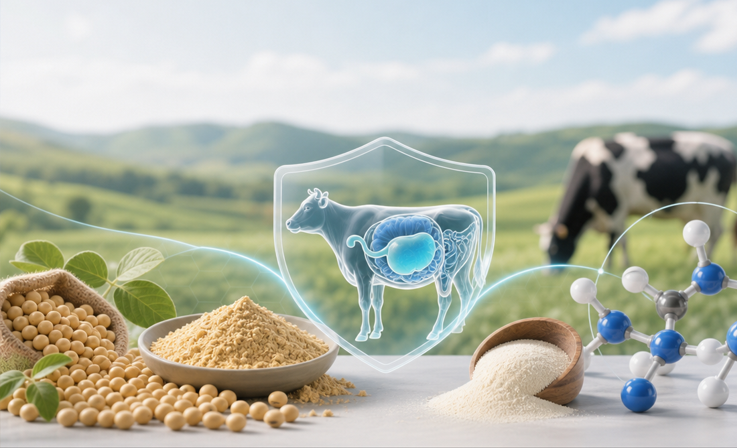
Planning Note: With scarce protein feed resources and tightening environmental regulations, low-protein diets for dairy cows have become an industry consensus. Yet "low protein" does not mean "lower performance"—the key lies in helping protein bypass the rumen and be precisely delivered to the small intestine for absorption. This two-part series explores the evolution of rumen-protected soybean meal (the most mature carrier for rumen-undegraded protein) in Part 1, and precision balancing of limiting amino acids in Part 2. Totaling ~4,000 words, it provides formulators with an actionable framework for low-protein diet formulation.
Part 1: Cracking High-Yielding Dairy Cows’ "Protein Anxiety"—The Evolution of Rumen-Protected Soybean Meal Processing and On-Farm Performance
Core Reference: Wang Lunxue et al. Research Progress on Production and Application Effects of Rumen-Protected Soybean Meal, Feed Industry, 2026, 47(11): 21–25
1. Why Do We Need "Rumen Protection" for Soybean Meal?
Soybean meal is the "protein gold standard" in dairy cow diets: it boasts high crude protein (CP) content and balanced amino acids. However, once it enters the rumen, ~40%–80% of its high-quality protein is rapidly degraded into ammonia nitrogen by microbes within minutes to hours, leading to three major issues:
The logic is clear: a portion of high-quality protein must "evade" degradation by rumen microbes and reach the small intestine directly. This is the core purpose of rumen-undegraded protein (RUP, also called bypass protein) technology, and rumen-protected soybean meal is currently the most commercially mature carrier for this application.
2. Process Fundamentals: The Maillard Reaction Takes Center Stage
Rumen protection strategies fall into three categories: chemical treatment (formaldehyde/glutaraldehyde), physical coating (hydrogenated oils), and heat treatment. Chemical methods face toxicity concerns, while physical coating is cost-prohibitive. The current industry mainstream is "reducing sugar + soybean meal + controlled heat treatment", centered on the Maillard reaction.
The mechanism operates on two levels:
A key nuance from research: Xylose undergoes non-enzymatic browning significantly faster than glucose or fructose (Cleale et al.). Yang Wei’s quantitative data shows that at 140°C for 90 minutes with 3% sugar concentration, pentose (xylose)-treated soybean meal achieves the highest intestinal absorbable protein (IADP) content. This explains why commercial products like Borregaard’s SoyPass®use xylose rather than glucose as the reducing sugar source.
Temperature is a double-edged sword: insufficient heat leads to low RUP rates, while overheating crashes small intestinal digestibility and can "lock" lysine into indigestible complexes. At its core, process competition boils down to the ability to achieve precise, controlled heat treatment.
3. Field Testing of Three Major Process Routes
Most large-scale Chinese feed mills currently operate three main process lines, each with distinct positioning:
Route 1: Extrusion Processing (Market Mainstream)
Process flow: Soybean meal grinding → mixing with soluble sugar solution → conditioning → instantaneous high-temperature/high-shear extrusion via screw extruder → phospholipid oil spraying → cooling.
Typical parameters (from Anhui Xipu Biotechnology patent examples):
An advanced iteration is the three-step heating method, which applies precise temperature control across conditioning, extrusion, and post-curing stages, combined with emulsified fat and oligosaccharides. This can push the 16-hour RUP rate to >70% and small intestinal digestibility to 95.1%. More aggressive protocols extend heating time to raise CP content to >49.5%, achieving a 16-hour RUP rate of >91%.
⚠️ Pitfalls of extrusion: Excessive screw shear can physically degrade amino acids. Over-Maillard reaction also causes scorched particles—product specifications must explicitly prohibit black/scorched spots (as noted in Xipu’s patents: "Stop baking-puffing immediately once scorched particles appear").
Route 2: High-Pressure Assisted Microwave Puffing (Premium Segment)
Developed by Ren Chuanding’s team, this route prioritizes "low-temperature amino acid preservation":
Its advantages are clear: low temperatures prevent degradation of heat-sensitive amino acids and avoid scorching. It improves rumen bypass rate by >35% compared to untreated soybean meal, with stable small intestinal digestibility of >93%—making it ideal for calf starter feeds and premium lactation feeds where amino acid bioactivity is critical. The main drawbacks are high equipment costs and lower production capacity than screw extrusion lines.
Route 3: Baking-Puffing Process (Emerging Engineering Solution, Wang Lunxue Team)
Anhui Xipu’s proprietary "baking + instant puffing" process uses a custom double-layer spherical tank, where steam circulates through the jacket to heat the material indirectly (steam never contacts the feed directly):
| Parameter | Value |
| Loading rate | 50%–80% of tank volume |
| Jacket preheating | 30 minutes |
| Reaction temperature | 120–130°C |
| Holding time | 80–95 minutes |
| Rotation speed | 0.5–1 revolution/minute |
| Pressure release | Reduce to atmospheric pressure within 2 seconds, triggering instantaneous material expansion |
| Cooling | Cool to 30–50°C at 5–25°C, then grind |
| Finished product specs | CP ≥41%, moisture ≤12%, crude fat ≤3% |
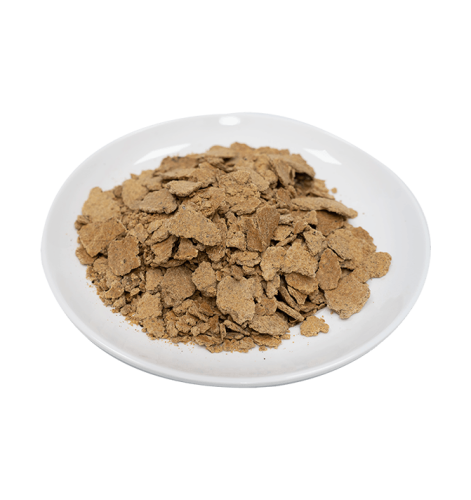
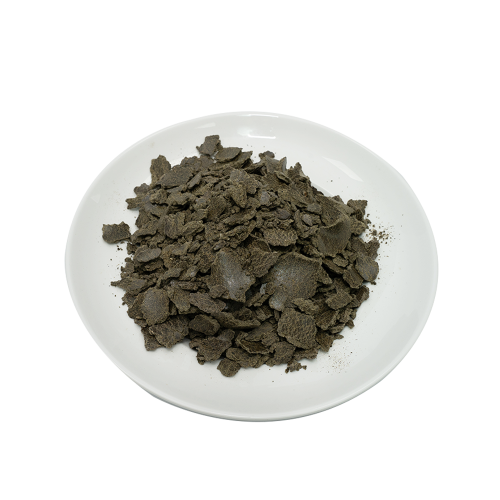
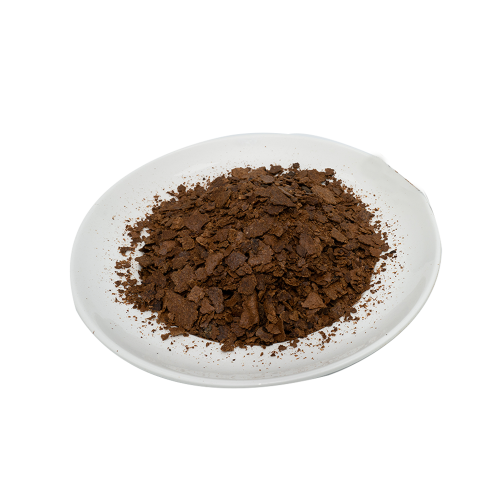
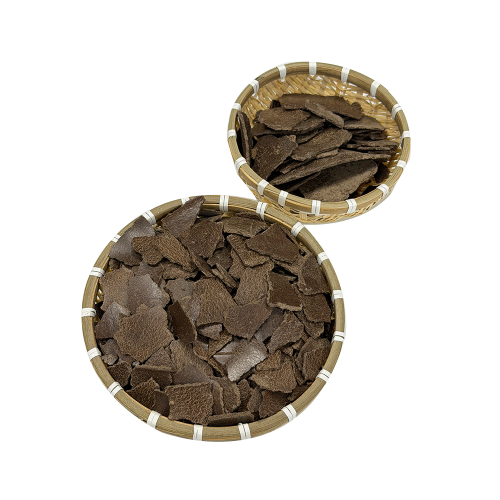
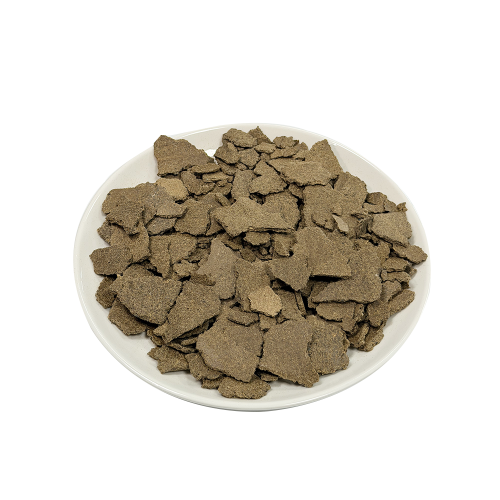
Product characteristics: Reddish-brown color, rich roasted aroma, and no scorched particles—color and aroma serve as intuitive quality markers (roasted aroma = proper Maillard reaction completion; scorched spots = overheating).
Third-party test data: 16-hour RUP rate of 72.94% (vs. 44.45% for regular soybean meal) and small intestinal digestibility of 99%. The standout advantage here is that while the RUP rate is lower than top-tier extruded products (91%), nearly all bypass protein is absorbed in the small intestine—eliminating waste from over-protection.
How to Choose Between the Three Processes?
4. On-Farm Performance: Data-Backed Results
Key trial results from published literature illustrate real-world impacts:
Common conclusions across trials:
5. Two Hard-and-Fast Recommendations for Formulators
1. Evaluate the "Two Rates"—Not Just RUP Rate
Many suppliers only report RUP rate (rumen non-degradation rate) and omit small intestinal digestibility. A product with 90% RUP rate but 60% small intestinal digestibility is far worse than one with 70% RUP rate and 95% digestibility—the former represents protein that bypasses the rumen but cannot be absorbed, while the latter delivers true biological value. Include both metrics in procurement contract acceptance criteria.
2. Low-Protein Diets Require Restructuring—Not Just CP Reduction
When lowering dietary CP from 17%, every 1 percentage point reduction must be offset by supplemental RUP ingredients and rumen-protected amino acids to maintain adequate MP and limiting amino acid supply. Reducing CP without supplementation will inevitably crash milk yield and milk protein content.
In Part 2, we shift focus from "protein ingredients" to "precision amino acid balancing": Once RUP supply is optimized, a new bottleneck emerges—different protein ingredients have widely varying amino acid profiles, meaning total small intestinal amino acid supply may be adequate while the ratioof limiting amino acids is imbalanced. This is where rumen-protected amino acids come into play.
Terminology Note
All abbreviations follow global animal nutrition conventions: RUP = rumen-undegraded protein; IADP = intestinal absorbable protein; CP = crude protein; MP = metabolizable protein; JDS = Journal of Dairy Science. Commercial product names (SoyPass®) and company names (Borregaard, Anhui Xipu Biotechnology) are retained as per industry usage.
Guide
August 2026 · 7 min read
Guide
August 2026 · 9 min read

Guide
August 2026 · 4 min read

Chinese (Simplified)

Dutch

English

French

German

Spanish


Tell us your species, inclusion targets and volumes — we'll reply with specifications, certifications and a quotation.